In the meticulous world of men's fashion, few accessories carry the weight of history and personality quite like the cufflink. These small yet significant adornments have long been more than mere functional fasteners; they are miniature canvases that reflect the wearer's taste, status, and even whimsy. The journey of the cufflink from a purely utilitarian object to a celebrated element of sartorial expression is a fascinating tale of craftsmanship, cultural shifts, and individual flair. Often described as a "universe in a square inch," the cufflink encapsulates a world of design, symbolism, and artistry within its compact form.
The origins of the cufflink are deeply rooted in practicality. Before their invention, men's shirts were fastened with ribbons or strings, a solution that was neither secure nor particularly elegant. The rise of the starch-stiffened cuff in the 17th century created a need for a sturdier closure. This gave birth to the first cufflinks, which were essentially two buttons connected by a short chain or a rigid bar. Initially, these were simple and functional, crafted from base metals and serving a purely mechanical purpose. However, as with many elements of dress, it wasn't long before utility gave way to ornamentation.
The true golden age of the cufflink dawned in the 19th century, coinciding with the Industrial Revolution and the rise of the middle class. Mass production made these once-exclusive items accessible to a broader audience, while new plating techniques allowed for the creation of pieces that mimicked more expensive materials like gold and silver. This era saw the standardization of the four-poster and bullet back closures, designs that remain prevalent today. Cufflinks became a staple of the respectable gentleman's wardrobe, a necessary detail for any formal or business attire. They were symbols of refinement and attention to detail, often gifted to mark significant life events such as graduations, weddings, or professional achievements.
Classic cufflink design is built on a foundation of understated elegance and timeless materials. For generations, the quintessential cufflink has been a study in sophistication. Think of the enduring appeal of simple onyx or mother-of-pearl faces set in yellow or white gold. These designs speak a language of quiet confidence and traditional masculinity. The subtle sheen of a silver knot link or the rich depth of a dark enamel square conveys a sense of permanence and reliability. This classic aesthetic is inextricably linked to formalwear—the perfect complement to a crisp white shirt and a well-tailored tuxedo or suit. It is a style that refuses to shout, preferring instead to whisper its quality and pedigree.
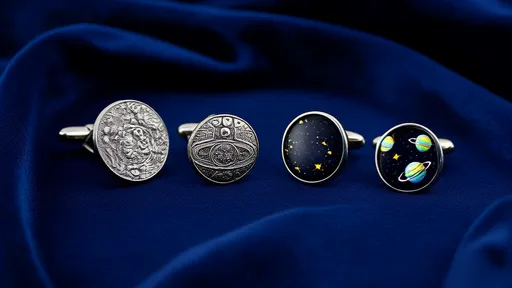
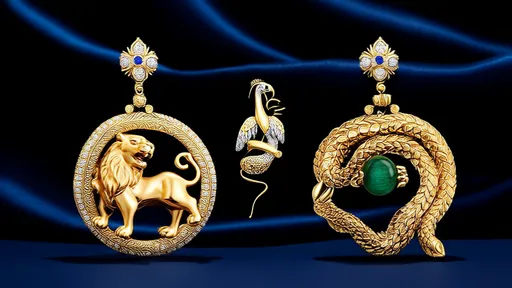
As the 20th century progressed, so too did the personality of the cufflink. The mid-century, particularly the 1950s and 60s, witnessed a explosion of creative and playful designs. This was the era of the "conversation piece." Men began to use their cufflinks as a form of personal expression, moving beyond mere status symbols to wearable anecdotes. Whimsical motifs became incredibly popular: tiny dice for the gambler, miniature golf clubs for the enthusiast, or astrological signs for the believer. This shift reflected a broader cultural move towards individualism and a slight relaxation of strict sartorial codes. The cufflink was no longer just for the boardroom; it was for the dinner party, the club, and the social gathering, where it could serve as a brilliant icebreaker.
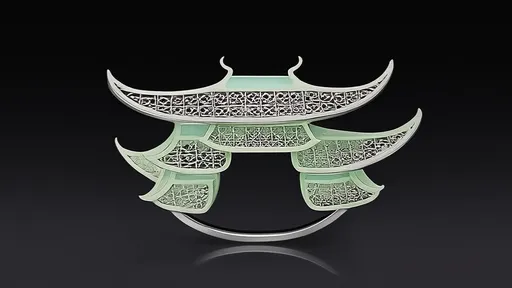
The late 20th and early 21st centuries have democratized and diversified cufflink style beyond anything previously imagined. Today, the market is a vast spectrum ranging from heirloom-quality pieces crafted by luxury jewellers to affordable, quirky designs available from countless online retailers. Modern technology, particularly 3D printing, has opened up new frontiers for intricate and custom designs that would have been impossible to manufacture just decades ago. The modern man might choose sleek, minimalist titanium links for a tech conference, vibrant resin designs for a summer wedding, or even custom-made links featuring his company's logo or a personal monogram. The rules have all but dissolved; the only guiding principle is personal taste.
Perhaps the most intriguing development in contemporary cufflink culture is the rise of themed and collector's items. For many, collecting cufflinks has become a passionate hobby akin to collecting art or vintage watches. There are dedicated aficionados who seek out links from specific eras, like Art Deco geometric patterns or psychedelic swirls from the 1970s. Others focus on themes: links featuring maritime symbols, automotive motifs, or literary references. This transforms the cufflink from an accessory into a curated collection, each pair telling its own story and representing a specific chapter in the collector's life or interests. This "universe in a square inch" becomes a archive of personal history and passion.
Looking towards the future, the cufflink continues to evolve. Sustainability is becoming a important consideration, with designers increasingly using recycled metals and ethically sourced materials. The line between traditional menswear and womenswear continues to blur, and cufflinks are being adopted and adapted by a diverse range of people, further expanding the creative possibilities. While the necessity of the cufflink has waned with the popularity of button-cuff shirts, its value as an object of art and identity has never been higher. It persists not because it is needed, but because it is desired—a deliberate choice to embrace detail, history, and personality in an often-casual world.
In conclusion, the evolution of the cufflink from a classic fastener to a vehicle for fun and personal expression is a mirror to the evolution of masculinity itself. It has grown from a symbol of rigid conformity and status to an emblem of individuality and creative spirit. That "square inch" on a man's cuff is indeed a universe—one that contains galaxies of history, bursts of humor, and the quiet, constant stars of timeless design. It remains a powerful, personal detail in the modern wardrobe, a small signature that says a great deal about the man who wears it.
By /Aug 27, 2025
By /Aug 27, 2025
By /Aug 27, 2025
By /Aug 27, 2025

By /Aug 27, 2025
By /Aug 27, 2025
By /Aug 27, 2025
By /Aug 27, 2025
By /Aug 27, 2025
By /Aug 27, 2025
By /Aug 27, 2025
By /Aug 27, 2025
By /Aug 27, 2025

By /Aug 27, 2025
By /Aug 27, 2025
By /Aug 27, 2025
By /Aug 27, 2025

By /Aug 27, 2025
By /Aug 27, 2025
By /Aug 27, 2025
